


Guardians of the canopy: How we use technology to protect monkeys in Tacares de Grecia 🐒📷

Updated: Oct 24
In the Grecia canton, wildlife struggles day by day to survive amid patches of forest, agricultural areas, and roads. As part of community initiatives in partnership with FUNDEMA-PP, the Primates of Grecia project works in Tacares and neighboring areas to care for and constantly monitor our troops of Congo monkeys (Alouatta palliata) and white-faced monkeys (Cebus imitator).
Monitoring wildlife not only allows us to track their movements but also to understand very specific phenomena in the area, such as the case of George, the iconic Tacares howler monkey with abnormal coloring (yellowish fur) linked to genetics or interaction with the environment.
To protect George and his entire troop, we need to see what they see and follow their footsteps in the treetops. And that’s where technology, science, and the community come together!
Field strategy: The Inbiósfera team in action!
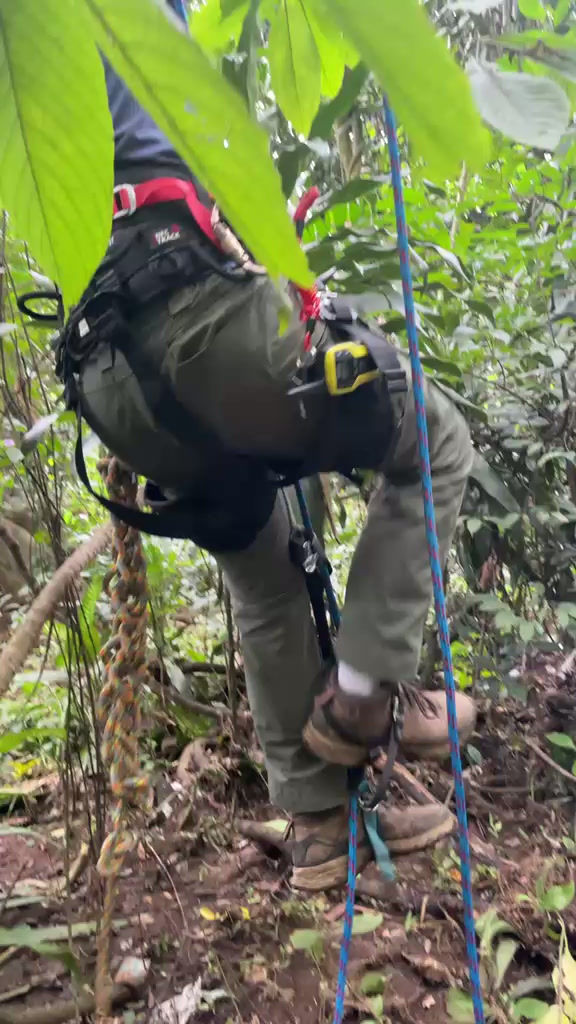
Monitoring high up in the forest requires expert hands and a great deal of dedication. At this stage, we have the essential support of Alex and Juan Diego, biologists from Inbiósfera, who are in charge of the work in the treetops:
New canopy camera trap: Alex and Juan Diego are responsible for strategically installing new equipment high up in the canopy to cover the area where the howler monkey troop moves most frequently.
Inspection and maintenance: They also check the equipment already operating in the canopy to ensure it is optimally recording wildlife behavior.


Connectivity That Protects
One of the biggest challenges in continuous monitoring is the signal. Fortunately, local solidarity makes all the difference: we’ve identified Wi-Fi networks near the observation point. The plan is to install a signal repeater to expand coverage and ensure that the camera installed by the team transmits without a hitch.
First results! What we captured just 24 hours later
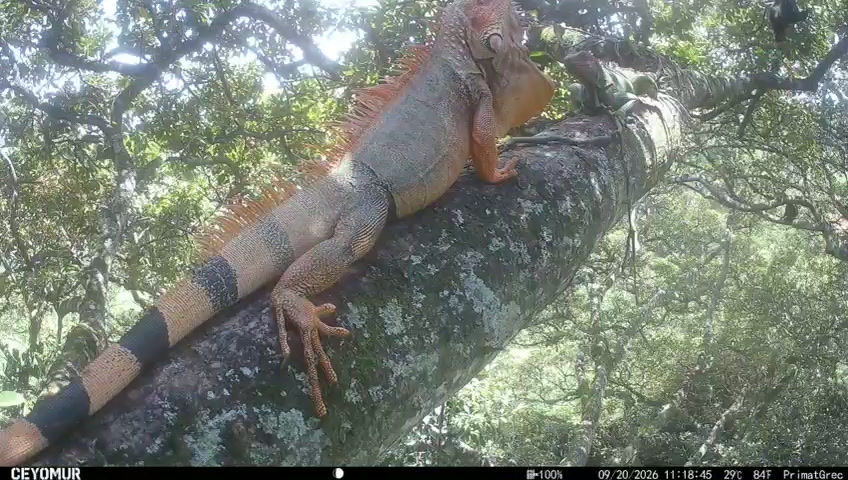
Technology and perseverance yield results very quickly! Just one day after setting up and calibrating the equipment, the cameras already gave us the first images of nighttime and daytime movement in the canopy.
Check out the first visitors we recorded:
Troops of monkeys on the move: We captured the real stars of the show swinging from branch to branch along their usual route.
Iguanas basking in the sun: Resting and moving through the upper canopy, showcasing the rich biodiversity shared by this microhabitat.
Bats in action: Key nighttime recordings that show us the intense ecological activity when the forest “sleeps.”


Why is this effort crucial?
Every camera installed and every piece of data recorded helps us:
Identify actual wildlife corridors: Determine where the monkeys move to prevent roadkill.
Assess the health of the population: Monitor inbreeding or the impact of agrochemicals in the area.
Engage the community: Promote environmental education and harmonious coexistence between residents and wildlife.
Join the project!
Protecting the primates of Grecia is everyone’s responsibility and requires ongoing resources to purchase camera traps, signal repeaters, and monitoring equipment for the forest. Donate now and be part of the change!


Comments