


Nature That Connects:
Purpose-Driven Tourism
Ecosocial Ecotourism Experiences in the Western Region of Costa Rica’s Central Valley*
Discover the authentic Costa Rica and leave a tangible, positive impact on the country.
Whether planting native trees, monitoring wildlife, or cleaning up a river basin, your travelers will experience nature in an active and transformative way.
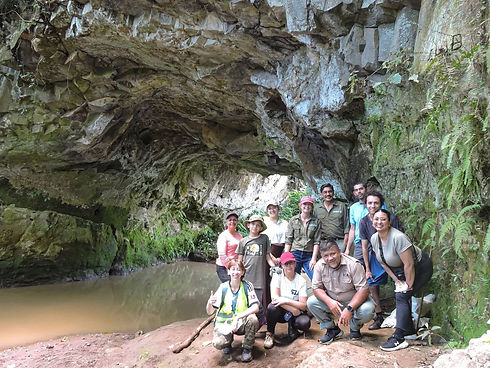
Accompanied by local guides and biologists, with a traditional breakfast or lunch included and photography to capture the memory.
*the Western Region of Costa Rica’s Central Valley: Grecia, Sarchí, Naranjo, Palmares, San Ramón and Atenas),

Option 1
Planting Native Trees
Travelers connect directly with the land by planting native trees in key reforestation areas in the Western Region of Costa Rica’s Central Valley.
Each visitor plants their own tree and learns about the species’ vital role in the local ecosystem.
A deeply enriching experience where tourists not only visit Costa Rica but also help restore its biodiversity.
What's included
-
Certified naturalist guide.
-
Native trees from the region.
-
Tools and materials.
-
Introductory workshop on reforestation.
-
Planting certificate per person.
-
Picnic-style breakfast or lunch.
-
Photography.

Option 2
Install camera traps
Travelers become citizen scientists for a day by setting up camera traps along strategic trails and wildlife corridors in the Western Region of Costa Rica’s Central Valley.
A local biologist shares insights about the wildlife that inhabits the area, the importance of wildlife corridors, and how technology supports conservation.
Weeks after their trip, FUNDEMA-PP sends the images captured by the cameras the visitors set up themselves to the visitors or the travel agency. A unique connection with wildlife that lasts long after they return home.
What’s Included
-
Biologist guide specializing in local wildlife.
-
Camera traps and technical equipment.
-
Workshop on biodiversity and biological corridors.
-
Subsequent delivery of images captured by your cameras.
-
Report on species identified in the area.
-
Picnic-style breakfast or lunch.
-
Photography.

Option 3
River cleaning
A transformative activity for travel groups that want to help protect our water sources. The group helps revitalize one of the rivers or forests in the Western Region of Costa Rica’s Central Valley.
Before getting started, an environmental guide explains the dynamics of the river ecosystem, the native species that depend on it, and the direct impact of community actions downstream.
An active day with visible, immediate results: the “before” and “after” of an ecosystem restored thanks to the travelers’ visit.
What's included
-
Environmental guide and cleanup coordinator
-
Protective gear: boots, gloves, bags
-
Workshop on freshwater ecosystems
-
Impact data: kilograms of waste removed, section cleaned
-
Certificate of participation per person
-
Picnic-style breakfast or lunch
-
Photography

Option 4
Pollinator hotels
ravelers build eco-friendly shelters or “insect hotels”and pollination stations to be installed at key locations along the Western Biological Corridor, while receiving training in species recording through global citizen science platforms.
A FUNDEMA-PP specialist leads an intimate discussion about the silent crisis facing pollinators (native stingless bees, butterflies, and beetles) and the vital role these small creatures play in agricultural production and the forests of the Western Region of Costa Rica’s Central Valley.
Visitors get hands-on experience assembling structures from 100% natural materials and learn to use apps like iNaturalist and eBird to photograph, identify, and monitor biodiversity during their stay in Costa Rica and after they return home.
At the end of the activity, participants leave behind shelters installed in conservation areas in the the Western Region of Costa Rica’s Central Valley.
What's included
-
A biologist or specialist in local entomology and botany.
-
Building materials (certified wood, bamboo, pine cones, clay, etc.) and assembly tools.
-
Hands-on workshop on native pollinators and urban connectivity.
-
A kit with host plants and nectar-producing plants for each participant.
-
Practical introduction to and registration on global citizen science platforms.
-
Picnic-style breakfast or lunch.
-
Photography.